

Performance Is a Feature Users Expect Not a Bonus
How Native iOS Apps Scale Without Compromise
Native iOS apps leverage Apple’s optimized frameworks and hardware integration—ensuring consistent performance, smooth interactions, and scalability as user volume and feature complexity grow.
Performance Questions CTOs Ask About iOS:
Can native iOS apps handle large user bases?
Yes. Native iOS apps are designed to scale efficiently using optimized memory management, background processing, and hardware acceleration—supporting millions of users without performance degradation.
How does iOS perform under heavy usage?
iOS prioritizes performance stability through efficient scheduling, resource management, and system-level optimizations keeping apps responsive even during peak usage.
Is native iOS better than cross-platform for scale?
For performance-critical applications, yes. Native iOS avoids abstraction layers that can limit responsiveness and scalability.
How do iOS apps stay responsive over time?
Strong architectural patterns, background task management, and OS-level optimizations keep iOS apps fast as features expand.
Security Is Built Into the Platform, Not Added Later
Why iOS Is Trusted for Secure and Private Applications
iOS enforces strict security controls sandboxing, encryption, and privacy permissions making it one of the most secure mobile platforms for sensitive and regulated applications.
Security Questions CTOs Ask About iOS:
Why is iOS considered secure by design?
iOS uses sandboxing, code signing, and encrypted storage preventing unauthorized access and limiting attack surfaces by default.
How does iOS protect sensitive data?
Data is encrypted at rest and in transit, with secure key storage managed by the OS.
Is iOS suitable for regulated industries?
Yes. iOS is widely used in finance, healthcare, and enterprise environments due to its strong security model.
How does Apple enforce privacy standards?
Apple strictly controls app permissions, data access, and App Store review processes to protect user privacy.
Scalable Architecture Determines How Long Your App Survives
How Native iOS Architecture Supports Long-Term Maintainability
Native iOS development promotes clean architecture, modular design, and predictable patterns allowing applications to scale in features and teams without accumulating excessive technical debt or architectural fragility.
Architecture Questions CTOs Ask About iOS Development:
Can iOS apps scale with new features?
Yes. iOS apps scale effectively when built with modular architectures, reusable components, and clear separation of concerns allowing new features to be added without disrupting existing functionality.
How does native architecture reduce technical debt?
Native iOS enforces disciplined patterns, strong typing, and framework conventions reducing shortcuts and inconsistencies that often lead to long-term technical debt.
Is iOS development maintainable long term?
Absolutely. iOS offers stable APIs, long support cycles, and backward compatibility making it well-suited for applications expected to evolve over many years.
How does iOS fit modern app architectures?
iOS integrates cleanly with modern architectures such as layered services, API-driven backends, and cloud-based systems supporting scalable, distributed mobile ecosystems.
User Expectations Are Higher on iOS and That’s an Advantage
Why Native iOS UX Creates Loyalty and Trust
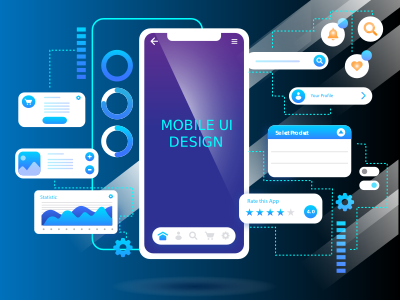
iOS delivers a refined, consistent user experience through native UI components and Apple’s design standards creating intuitive, familiar interactions that drive satisfaction, trust, and long-term engagement.
UX Questions CTOs Ask About iOS Apps:
Why do users prefer iOS apps?
Users prefer iOS apps for their smooth performance, intuitive interactions, and visual consistency creating experiences that feel polished, predictable, and reliable.
How does native UI improve usability?
Native UI components follow established interaction patterns, reducing learning curves and ensuring users instinctively understand how to navigate and interact.
Can iOS apps deliver premium experiences?
Yes. Native iOS apps leverage advanced animations, haptics, and system integrations enabling premium experiences that are difficult to replicate with cross-platform solutions.
How does Apple’s design system help UX?
Apple’s Human Interface Guidelines provide proven UX patterns ensuring apps feel familiar, accessible, and aligned with user expectations.
Premium Experience Drives Premium Business Outcomes
Why iOS Development Delivers Long-Term ROI
Native iOS development supports higher engagement, stronger monetization, and long-term brand value making it a strategic investment for businesses targeting premium users and sustainable growth.
Business Value Questions CTOs Ask About iOS:
Does iOS development improve monetization?
Yes. iOS users consistently demonstrate higher in-app spending and conversion rates—making native iOS development attractive for revenue-driven products.
How does iOS affect retention and LTV?
Smooth performance and consistent UX increase satisfaction and repeat usage—directly improving retention and lifetime value.
Is native iOS a long-term investment?
Absolutely. iOS’s stability, ecosystem maturity, and continued innovation make it a safe long-term technology choice.
Why do premium brands prioritize iOS?
Premium brands prioritize iOS because it aligns with quality, security, and user expectations reinforcing brand positioning and customer trust.